

.png)
With The Mandalorian & Grogu, the Star Wars galaxy returns to the big screen, extensive, intimate, and more immersive than ever. Directed by Jon Favreau, the film follows Din Djarin and Grogu as they navigate a dangerous galaxy shaped by lingering Imperial threats, new alliances, and an evolving family bond at the heart of the story. Blending large-scale action with emotionally grounded storytelling, the film continues with the legacy of The Mandalorian while expanding its cinematic scope for a new theatrical experience.
Partnering once again with Lucasfilm and Industrial Light & Magic, SDFX Studios brought its expertise moments between its central duos. In conversation with Stereographer Jeremy Carroll, it becomes clear that this project wasn’t just about scale; it was about honoring a legacy while evolving its visual language.
“Star Wars already has a very distinct cinematic identity,” Carroll explains. “Our goal was to translate that into 3D in a way that feels natural, making everything feel larger in scale without losing authenticity.”
This balance defines the film’s stereo approach. From sweeping planetary environments to quiet moments between Din Djarin and Grogu, the depth of work is designed to feel intuitive, guiding the audience through space without ever pulling them out of the story.
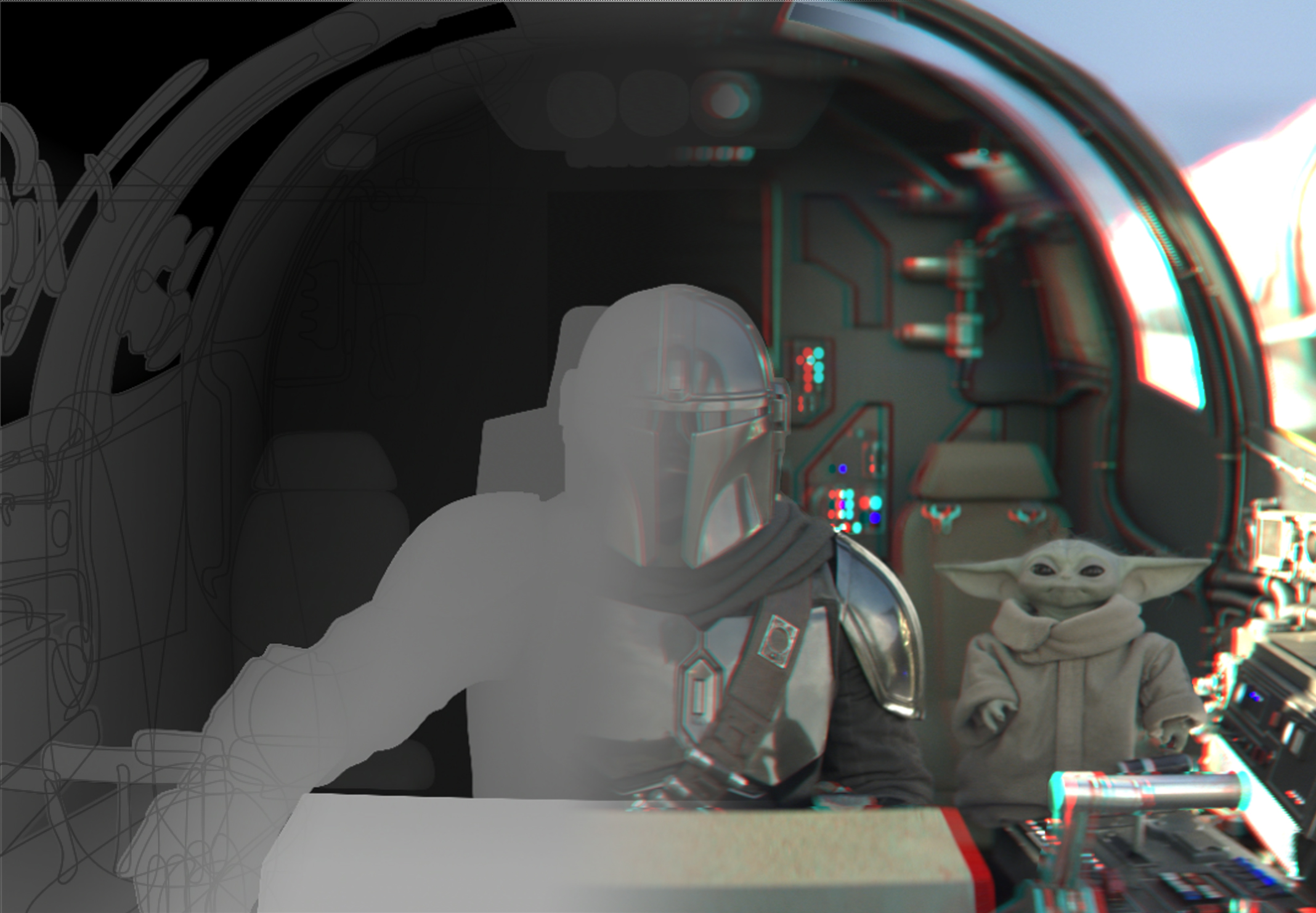
Behind the scenes, this vision was shaped through close collaboration. Carroll worked alongside Favreau and the visual effects leadership at Industrial Light & Magic to ensure every frame maintained the franchise’s iconic scale while supporting its more intimate, character-driven storytelling.
“Our collaboration was all about trust,” Carroll shares. “Jon had a clear vision for how he wanted the 3D to serve the story, so we worked hand in hand with the entire team from production design through to final lighting to make sure everything felt cohesive.”
This collaborative process extended across global teams, with SDFX Studios working closely with artists and supervisors to refine every depth cue. Through continuous reviews, often involving detailed feedback on environments, scale, and composition; the team ensured that the vastness of space never overshadowed the emotional core of the film.
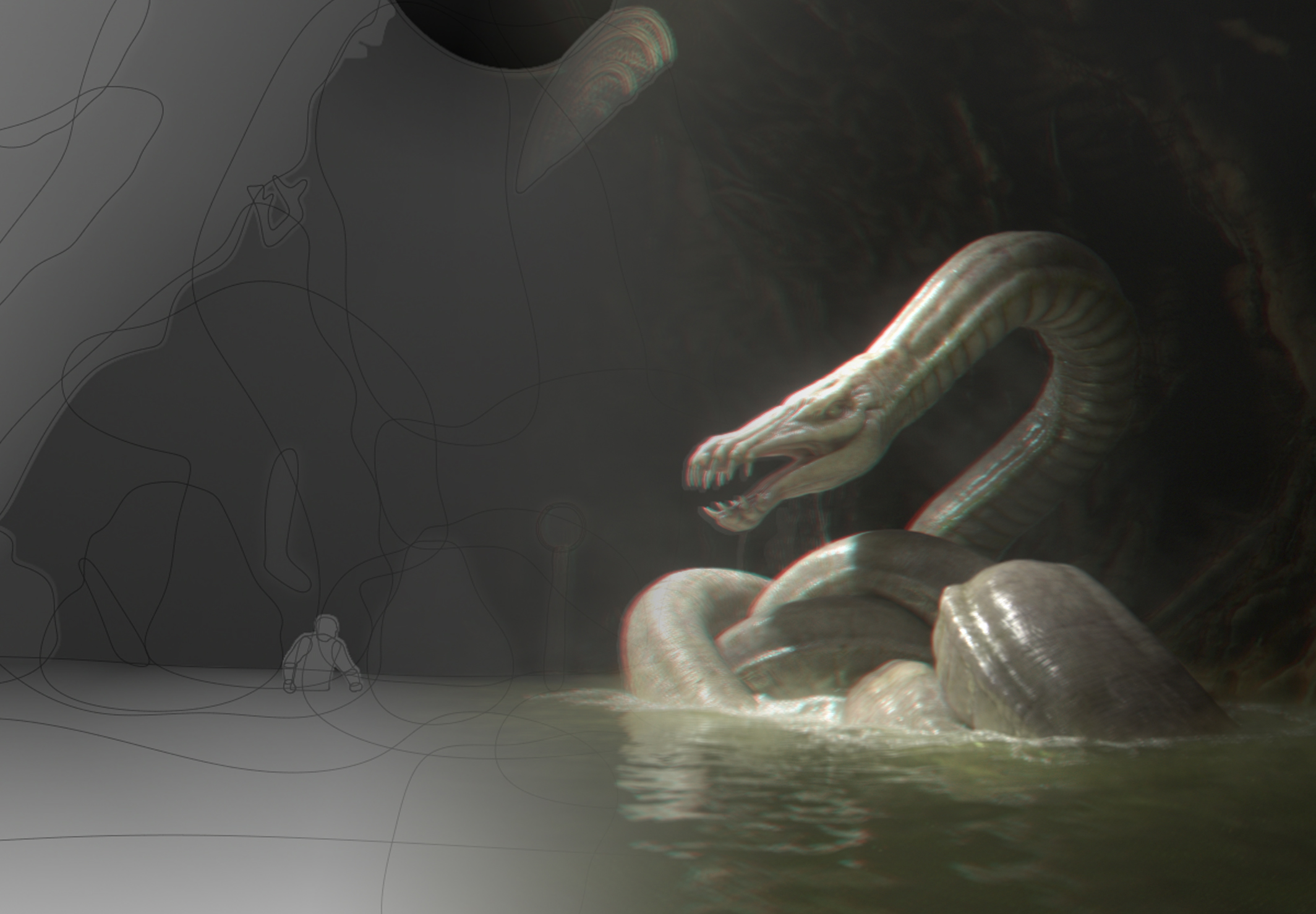
One of the film’s standout stereo achievements comes through its underwater sequences, which Carroll describes as some of the most immersive moments in the film. Filled with floating particulates, drifting bubbles, and massive sea creatures emerging through layers of depth, the scenes were carefully designed to create a heightened sense of immersion while maintaining clarity and audience comfort.
“The underwater work was especially exciting because of the amount of layered detail involved,” Carroll says. “From bubbles and debris to the scale of the creatures themselves, every element helped create a much deeper sense of immersion.”
The film’s large-scale aerial battles also provided opportunities to push dimensionality further than previous Star Wars projects. Dogfight sequences involving X-wings, Y-wings, and the Razor Crest were crafted with carefully balanced depth that enhances movement and spectacle while preserving the immense scale that defines the franchise.
While the film delivers massive action and classic bounty -hunter energy, Carroll says the story is ultimately grounded in something far more personal:; Mando’s evolving relationship with Grogu. “It’s still Mando doing what Mando does,” Carroll laughs. “But underneath all of that, it’s really about him growing into being a father figure for Grogu.”
The film also introduces Rada the Hutt, Jabba the Hutt’s son, whose growing friendship with Grogu develops into an almost sibling-like relationship, bringing unexpected warmth and humor to the adventure.
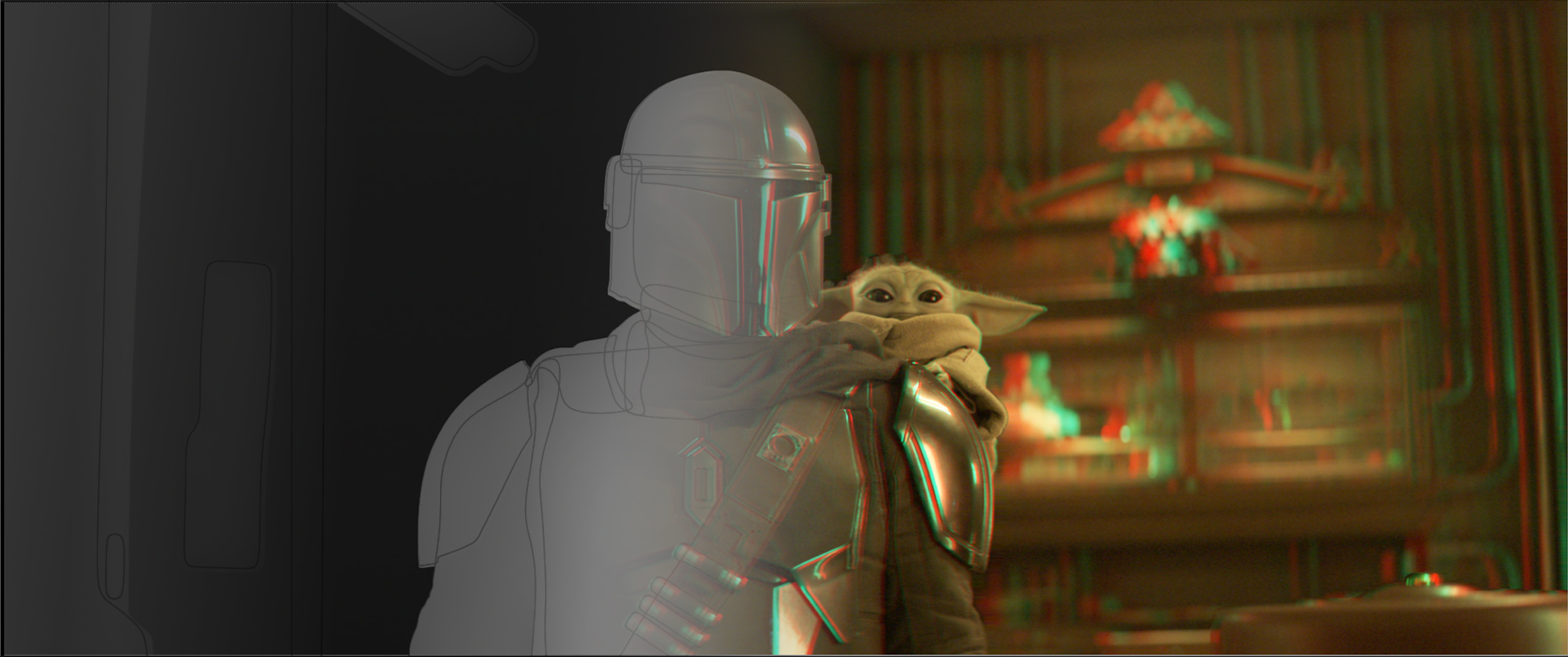
“Not every moment needs to push depth,” Carroll explains. “Sometimes the most powerful thing you can do is hold back.” This philosophy becomes especially important in the film’s quieter scenes. Subtle layering, controlled convergence, and carefully managed depth cues bring audiences closer to Grogu’s smallest expressions and Mando’s presence, without overwhelming the emotional core.
From the opening shot of a distant star system to the quietest moments shared between its characters, the stereo work invites audiences into a world that feels both infinite and intimately close.
The result is a seamless viewing experience where spectacle and storytelling exist in perfect balance. With The Mandalorian & Grogu, SDFX Studios not only supports the legacy of Star Wars; it helps push it forward, shaping a new era of immersive, emotionally driven 3D storytelling.
Lucasfilm’s Star Wars: The Mandalorian and Grogu is available now on digital platforms including Amazon Prime Video, Apple TV, and Fandango, and arrives on 4K Ultra HD and Blu-ray August 25, with several other physical media offerings to come including the Beskar Collector’s Edition, with Special Packaging, SteelBook, Metal Posters and the film on 4K UHD, Blu-ray, and Digital.