

Following the visual triumph of Wicked, the sequel Wicked: For Good brings audiences back to Oz with even deeper emotion, richer scale, and breathtaking 3D craftsmanship. SDFX Studios once again partnered with filmmaker Jon M. Chu, delivering immersive stereo work that elevates the film’s emotional intensity while preserving its intimate character moments.
In a recent conversation, Stereographer Jeremy Carroll shared exclusive insight into how the team approached the sequel’s delicate balance of spectacle and sensitivity.
Unlike the first film, with its grand musical numbers, massive crowds, and sweeping choreography, Wicked: For Good leans heavily into quieter, character-driven storytelling. Carroll explains that this shift required a recalibration of the 3D language: “We had to ensure that the stereo never distracted from those intimate moments. Depth needed to support the emotion, not overwhelm it.”
For scenes between Elphaba and Glinda, SDFX Studios used refined layering and conservative convergence to bring viewers closer without disrupting the emotional flow. These subtle depth cues frame their evolving relationship, allowing audiences to feel the tension and tenderness between the two characters.
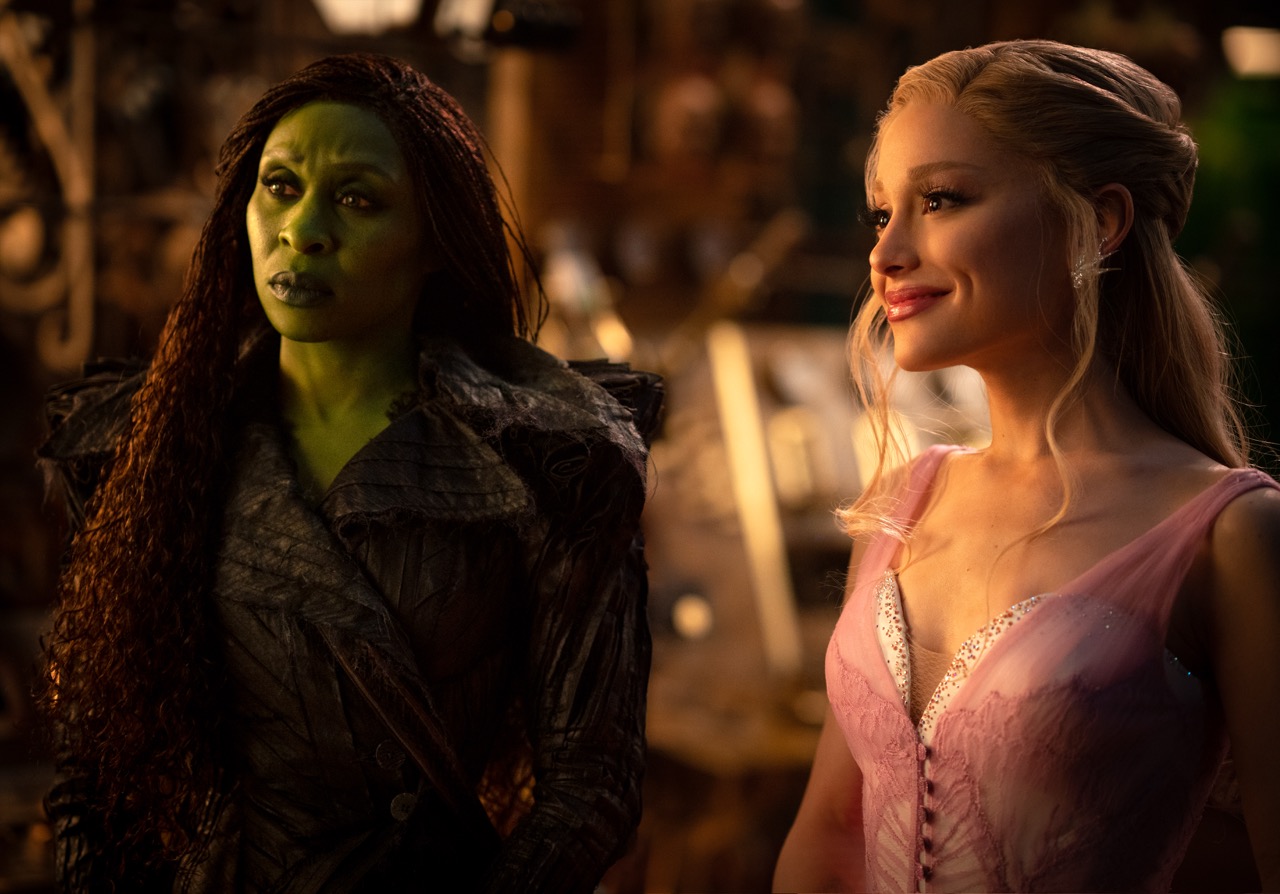
But when the film expands, it does so spectacularly. The electrifying “No Good Deed” sequence stands out as one of the most ambitious 3D set pieces of theentire production. Filled with swirling dust, flying monkeys, volumetric effects, and intense emotional stakes, the scene demanded precision to maintainscale and coherence. Carroll describes it as “one of the heaviest VFX sequences we’ve done both emotionally and visually.”
Another standout is the dramatic tornado touch down in Munchkinland. With debris whipping past the camera and the storm towering overhead, the stereo work hadto amplify the chaos without compromising the tornado’s imposing size. The teampushed the depth just far enough to immerse the audience without slipping into miniaturization.
The sequel also introduces new environments, including the enchanting forest beneath the Yellow Brick Road, filled with lifelike CG animals, bears, foxes,mice, giraffes, and more. The challenge was maintaining proper scale and depth across a scene dense with foliage, hanging moss, and moving creatures. The result is one of the film’s richest environments, brimming with tactile, alivedetail.
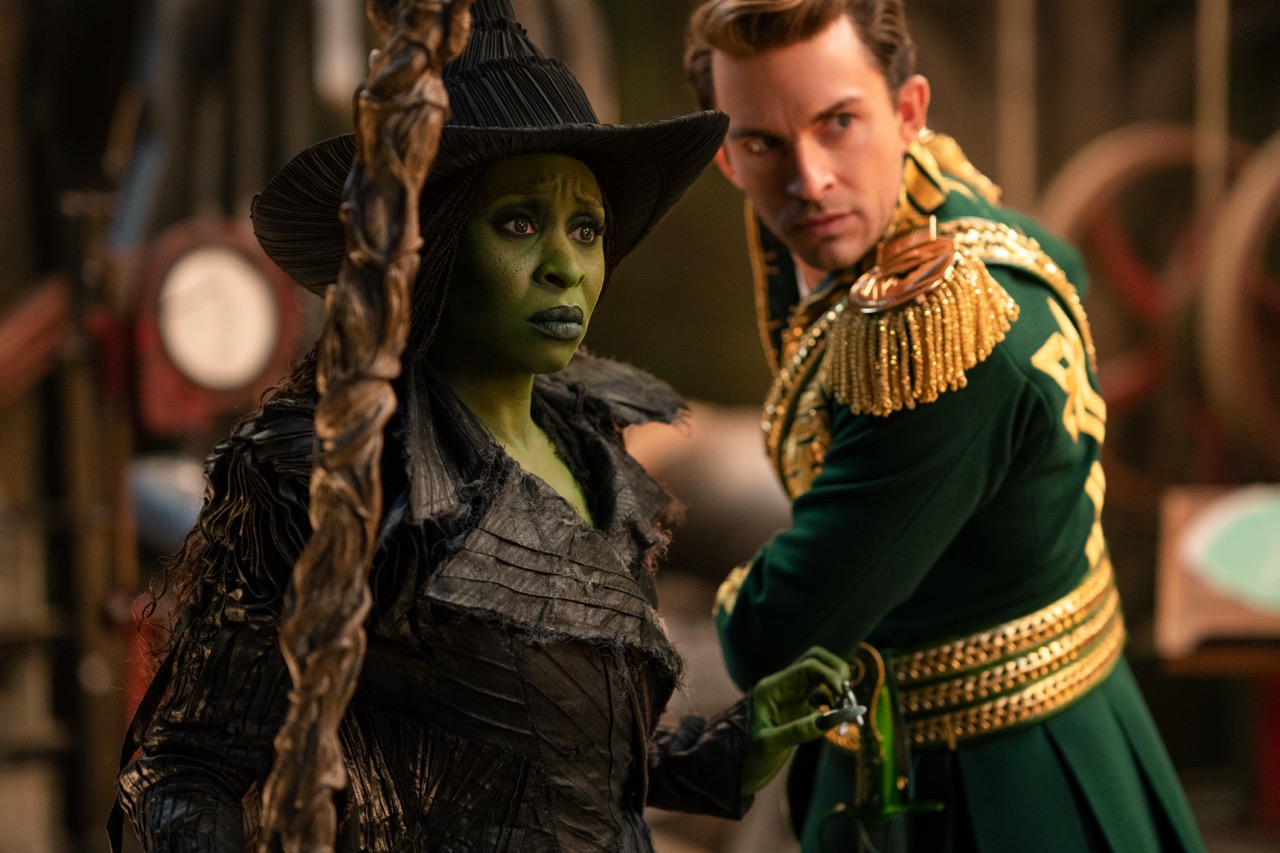
One of Carroll’s personal favorite achievements is the breathtaking three-and-a-half-minute “Girl in the Bubble”sequence, an unbroken shot that moves through mirrors, reflections, andintricate choreography. Crafting seamless depth across a single extended shotwith no room to hide was, as he puts it, “one of the most incredible challenges we’ve ever tackled in 3D.”
SDFX Studios also continued to use advanced 3D head scans and digi-double workflows for key characters like Elphaba, Glinda, and Fiyero. These scans ensure dimensional accuracy in emotional close-ups, especially in intimate moments like Fiyero’s reveal as the Scarecrow, where precise facial depth and texture amplify the scene’s emotional resonance.

Carroll hopes audiences walk away from Wicked: ForGood feeling the beauty of a stereo experience that enhances the film withoutever overwhelming it. With 3D cinema experiencing renewed excitement through premium theatrical releases and the rising use ofhome headsets, the stereo work created for Wicked will continue to live beyondtheaters. SDFX Studios’ contribution stands as a testament to the evolvingartistry of 3D filmmaking, thoughtful, emotional, and unforgettable.